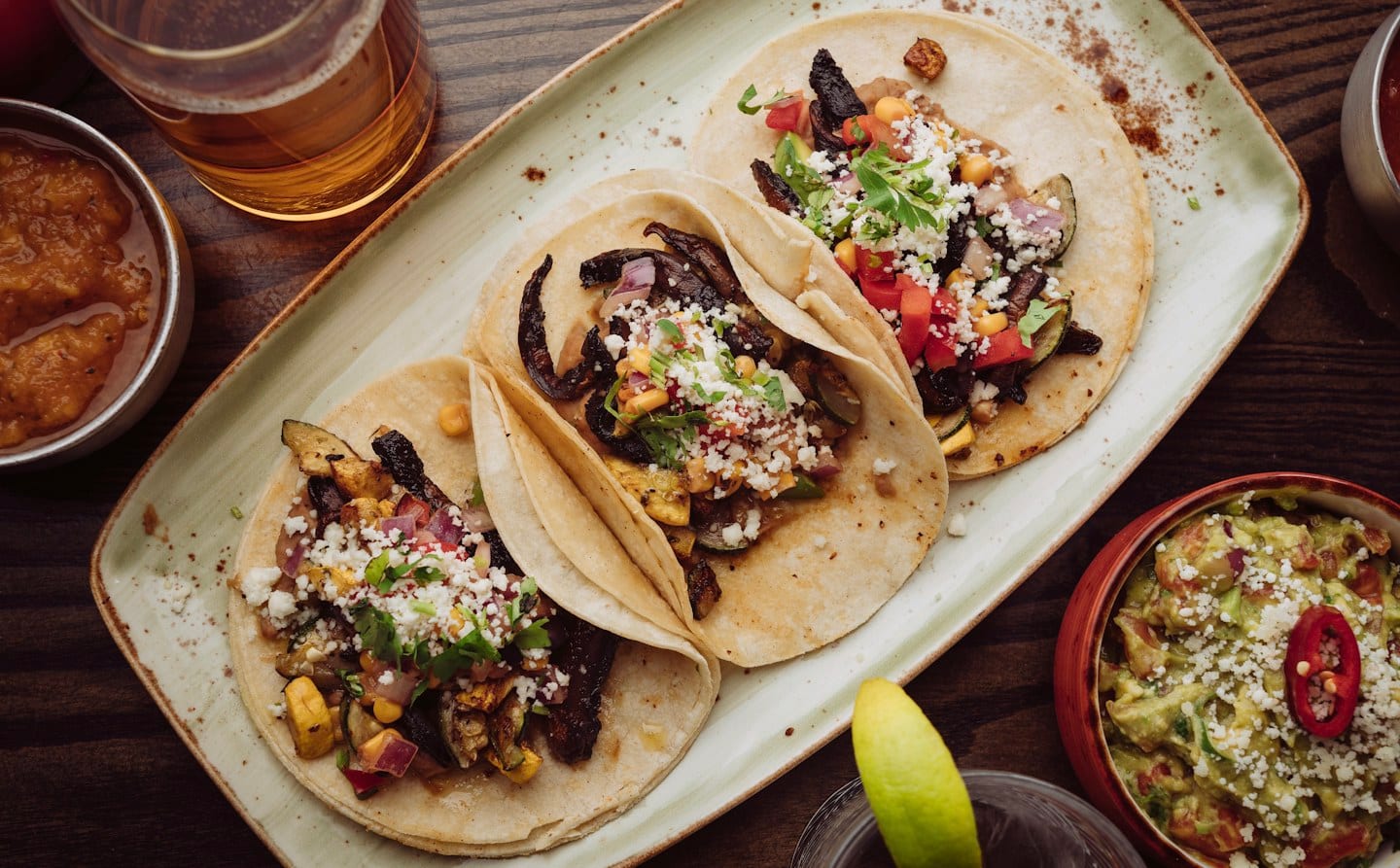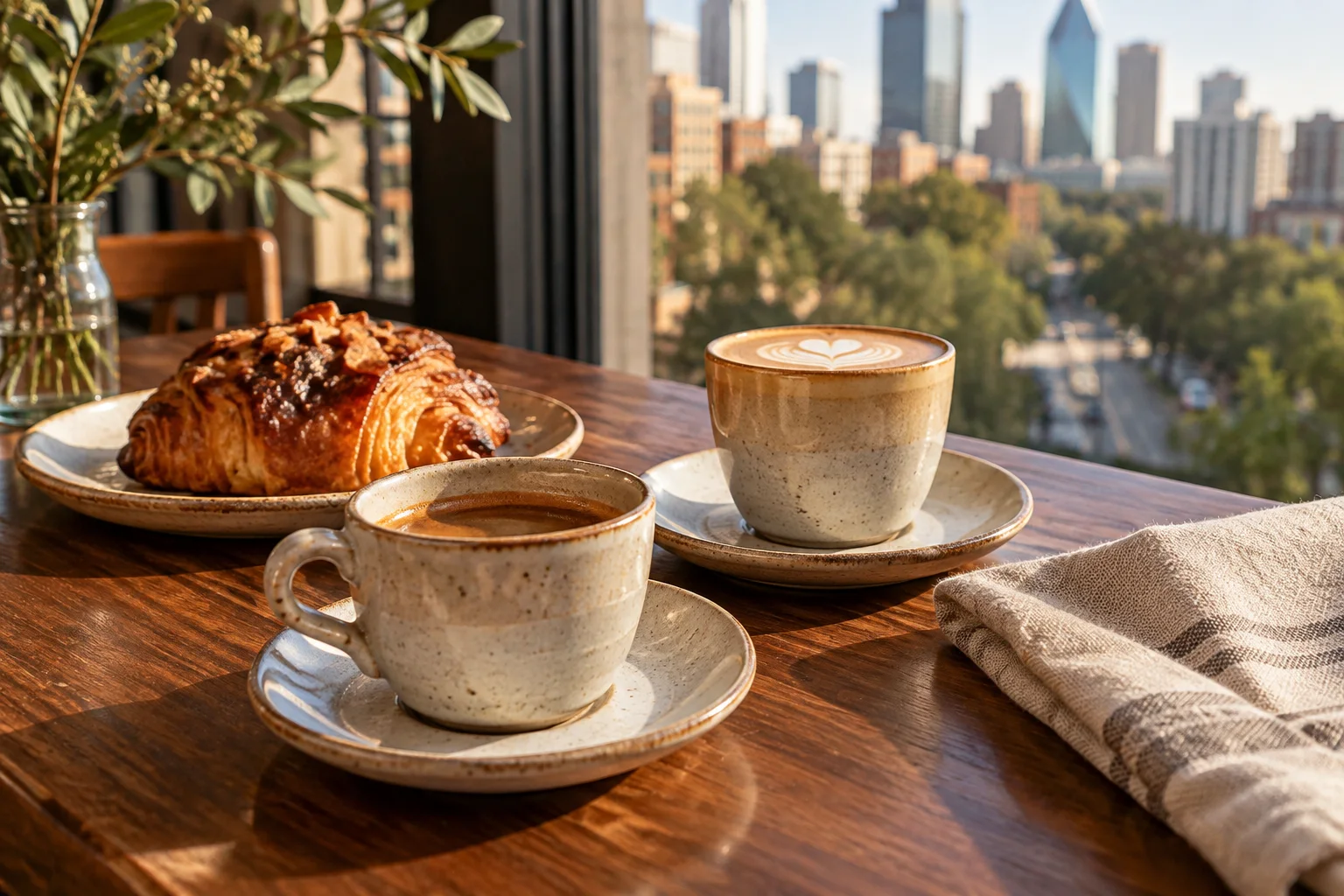
A single destination often serves as the anchor for a social afternoon, but even a well-chosen restaurant can become a point of friction when two companions arrive with conflicting objectives. One person may view the outing as a culinary exploration centered on a specific, highly anticipated dish, while the other might prioritize the atmosphere, the ease of conversation, or the logistical convenience of the location.
The Weight of Expectations
Consider the tension that arises when a meal is treated as a singular event rather than a flexible part of a day. For the person seeking a specific gastronomic experience, the menu is the primary focus. For their companion, the experience might be defined by the comfort of the seating or the noise level of the room. These differing priorities create a subtle tradeoff: do you commit entirely to the high-stakes destination, or do you allow for a more relaxed, secondary location to satisfy the other person's needs?
For example, if one person has been dreaming of a specific seasonal tasting menu, they may be willing to endure a long wait or a loud environment to secure it. Their companion, however, might be looking for a quiet corner where they can catch up on news without shouting. In this scenario, the primary destination satisfies the craving, but the secondary choice—perhaps a quiet park or a low-key cafe nearby—becomes the necessary counterbalance to ensure both parties feel the day was a success.
Verifying the Details
To prevent logistical frustration from overshadowing the meal, the details of the destination should be confirmed before leaving the house. Relying on outdated digital information can lead to arriving at a closed door or finding that a preferred seating arrangement is no longer available. Checking the current status of the venue allows for a smoother transition from the car to the table.
Ask the venue directly about their current service hours and if they require any specific arrangements for your arrival. If the meal is intended to be a centerpiece of a longer outing, ask whether they have space for lingering or if they have a quick turnover policy. Understanding these nuances helps manage the expectations of both diners before the first course arrives.
Building a Flexible Itinerary
The most successful outings often treat the main destination as a fixed point around which a more fluid schedule can rotate. By designating one venue as the primary goal, you provide a sense of purpose to the trip. By keeping a second, optional stop in mind, you provide a safety valve for the person whose priorities were not met at the first location.
Decide beforehand which person’s priority takes precedence for the main event, and then identify a secondary option that offers the opposite experience. If the main meal is intense and focused, the second stop should be light and casual. This approach transforms a potential conflict of interest into a balanced day that respects two different ways of experiencing a meal.