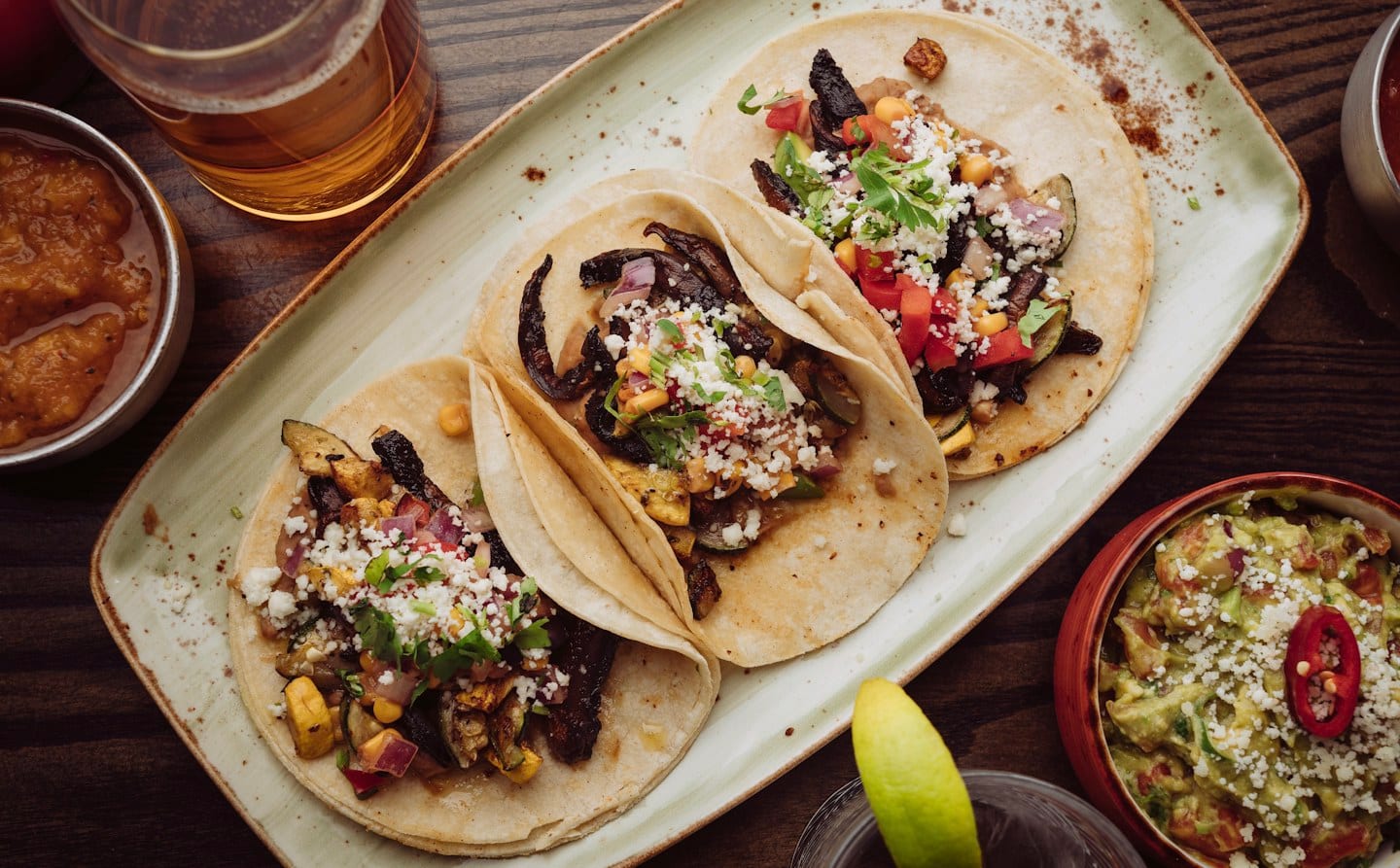
The ritual of the evening takeout order is a cornerstone of modern Dallas living. It is the moment when the day’s momentum shifts from the office or the commute toward the sanctuary of the home. Yet, for many households, this transition is often interrupted by the logistical friction of a complicated order, leading to a dinner table filled with confusion rather than conversation.
Managing Divergent Priorities
The challenge often arises when two people sit down to browse a menu with fundamentally different priorities. One person might be focused on the specific texture of a dish or the exact exclusion of a single ingredient, while the other is driven by a desire for a certain flavor profile or a specific combination of sides. These are not merely preferences; they are the details that define whether a meal feels restorative or frustrating.
For example, if one person requires a dish to be prepared without a specific seasoning while the other wants a large portion of a particular sauce on the side, the order becomes a puzzle of instructions. The tradeoff here is between the speed of placing a simple order and the precision required to satisfy two distinct sets of expectations. A rushed order often leads to the wrong container being opened at the wrong time, or worse, a dish that fails to meet a critical requirement.
Clarifying the Customization
To avoid the mid-meal realization that an instruction was missed, the process of communication must be deliberate. When navigating menus that offer extensive customization, the clarity of the request is paramount. Rather than assuming a standard modification will be understood, it is helpful to be explicit in the digital notes or over the phone. Ask the restaurant how they handle specific requests for ingredient separation or the exclusion of certain elements to ensure your instructions are actionable.
If a particular modification is essential to the meal, you might ask the staff if they can accommodate the request in a way that prevents cross-contact or ensures the integrity of the dish. Understanding their process for managing custom orders allows you to set realistic expectations before the food even leaves the kitchen.
The Importance of Identification
Once the bags arrive, the final hurdle is the physical organization of the meal. In a house where one person is eating a light salad and another is enjoying a heavy entree, the visual similarity of takeout containers can lead to a logistical scramble. A meal is most successful when it is ready to be enjoyed immediately upon arrival, without a secondary investigation into which box contains which dish.
A simple strategy involves labeling the containers or using distinct placement on the table. If you are ordering through an app, you might consider asking the provider if they can include the names of the individuals on the individual bags or containers. When the food is spread out, take a moment to verify that the modifications you requested are visible and that each person has their designated items. This small act of organization ensures that the focus remains on the food and the company, rather than the mechanics of the delivery.