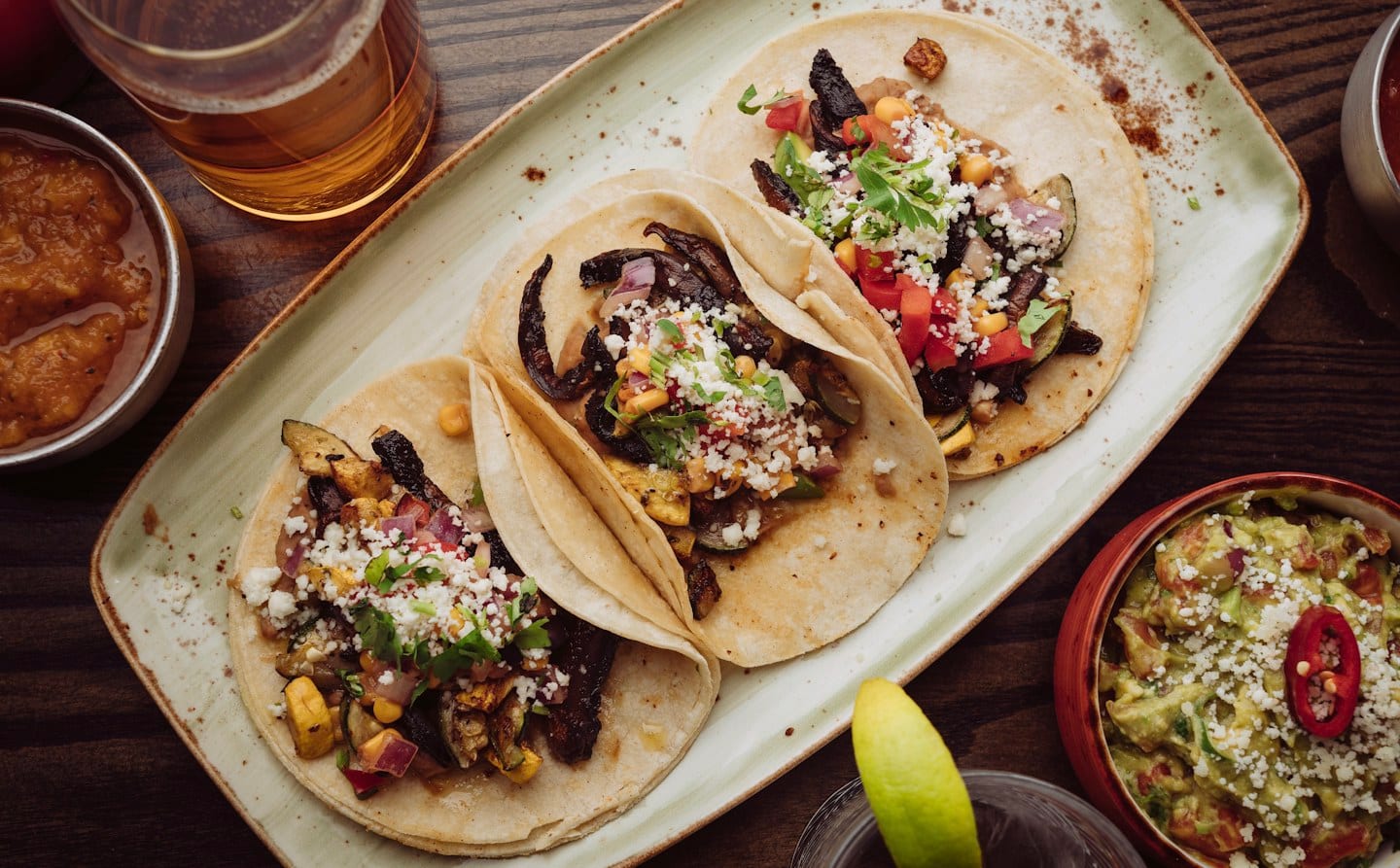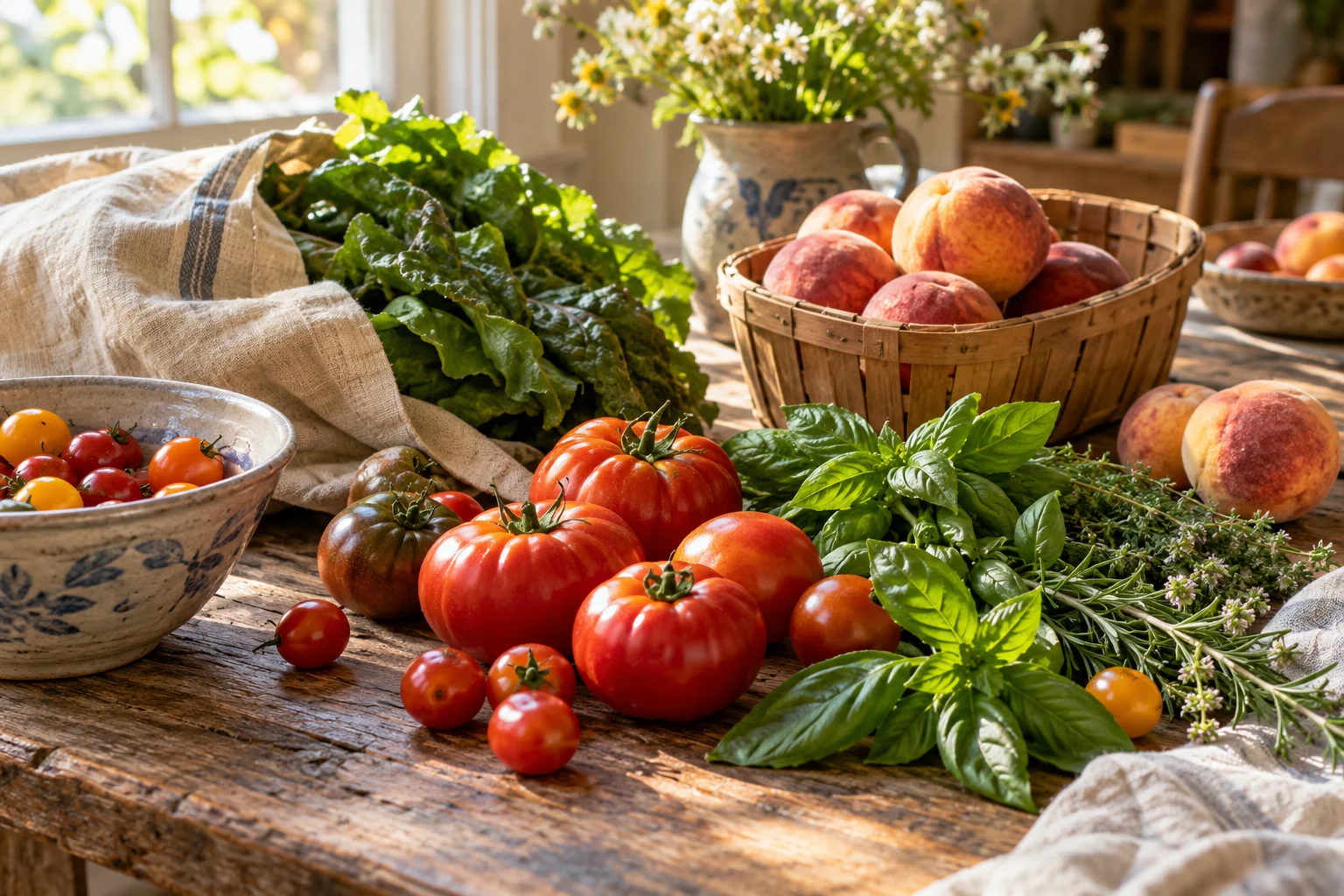
A small, curated selection of ingredients sits on the table, waiting for attention. Whether it is a flight of local honey, a collection of artisanal olive oils, or a few varieties of seasonal stone fruit, the ritual of tasting offers a way to slow down the evening. For many, these gatherings are about discovery, but they can sometimes drift into a competitive atmosphere of scoring and ranking.
Shifting the focus from scores to sensations
If you are hosting, the goal is often to facilitate a shared experience. However, when guests begin assigning numbers to each sample, the conversation can shift from the sensory experience to a debate over who has the more "correct" palate. To keep the evening centered on the food, try providing small cards or a notebook where guests can record their own specific observations. Instead of a column for a score from one to ten, provide space for descriptors like bright, earthy, or lingering.
This change in approach moves the focus away from a definitive hierarchy. When the objective is to capture personal preference rather than to crown a champion, the dialogue remains open. You might find yourself discussing how one oil reminds you of a specific garden or how a certain honey pairs with a piece of cheese, rather than arguing over whether sample B is objectively better than sample A.
Adapting to a new rhythm
Sometimes, these gatherings arise not from a desire to host a grand event, but from a subtle change in one's own daily rhythm. For example, if you have recently transitioned from a busy office schedule to working from home, your evenings may feel longer and less structured. You might find yourself looking for ways to reclaim the twilight hours with intentionality. In this context, a tasting is not a high-pressure party, but a quiet way to mark the end of the workday and transition into a restful night.
The tradeoff here is between complexity and connection. A massive spread of twenty different items requires significant preparation and can feel overwhelming. A smaller set of three or four high-quality items requires less effort but allows for deeper concentration. The smaller selection invites guests to linger on a single flavor, making the evening feel more like a thoughtful pause than a frantic tasting marathon.
Preparing the table
The physical setup can influence the mood of the evening. Clean, neutral surfaces and simple vessels allow the colors and textures of the food to stand out. If you are unsure how to present a specific ingredient, ask the producer how they recommend it be sampled to best appreciate its unique qualities. This ensures that the presentation serves the flavor rather than distracting from it.
When the evening concludes, the success of the gathering is found in the notes left behind. By prioritizing individual observations over a collective ranking, you ensure that the conversation remains as rich and varied as the flavors on the table.