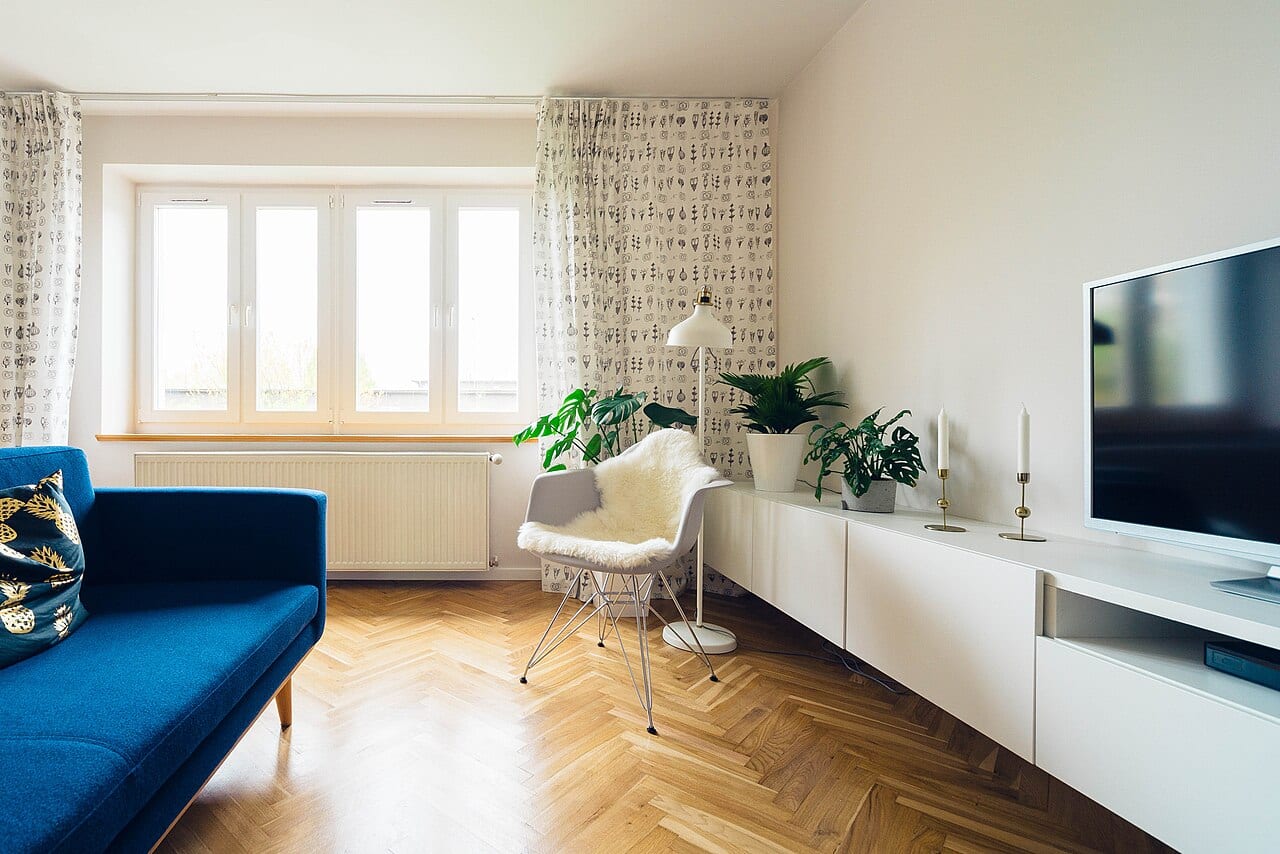
A curated collection of interior photographs can feel like a complete plan until the moment you sit down to discuss them with a professional. While a digital mood board captures an aesthetic, it often fails to communicate the specific nuances of how you intend to live within those walls. To bridge the gap between a visual feeling and a functional room, you must move from passive observation to active annotation.
The Language of Disagreement
Confusion often arises when different sources offer conflicting directions for a single space. Imagine you are planning a living area and have received two distinct descriptions of your desired style. One source suggests a "bright, airy, minimalist sanctuary," while another describes a "warm, textured, and cozy retreat." On the surface, these concepts seem irreconcilable. One leans toward sparse surfaces and cool tones, while the other demands layered fabrics and deep hues.
This tension is not a problem to be solved by picking one side, but a prompt to define your specific boundaries. Without clarity, a designer might lean too far into the minimalism you find cold, or the coziness you find cluttered. The goal is to identify exactly where these two descriptions overlap and where they diverge. Is the "brightness" found in the light fixtures or the wall color? Is the "warmth" found in the wood grains or the textile weights?
Annotating the Details
Instead of showing a designer a photo and saying, "I like this," try to identify the specific component that triggers your interest. Use digital tools or physical prints to mark up your images. You might circle a specific shade of sage green and note, "Love this tone, but not this heavy velvet fabric." Or, you might point to a sleek marble tabletop and add, "Appreciate the clean lines, but I need a more durable surface for daily use."
This process forces you to confront the tradeoffs inherent in every design choice. A high-gloss finish might provide the visual lightness you crave, but it may also highlight every fingerprint in a high-traffic area. A deep, plush rug offers immediate comfort, but it may change the way you navigate the room's floor plan. By marking these details, you transform a vague preference into a set of actionable observations.
Preparing for the Conversation
Once you have annotated your images, prepare to discuss the constraints of your daily life. A beautiful room is only successful if it accommodates your actual routines. Ask your designer how their recommendations address the specific movements and habits you have described. If you host large dinners or have pets, ask how the proposed materials and layouts will hold up under those specific conditions.
Effective communication relies on your ability to explain the why behind the what. When you present your annotated images, you are not just showing a preference; you are providing a roadmap for a space that feels both inspired and lived-in.

