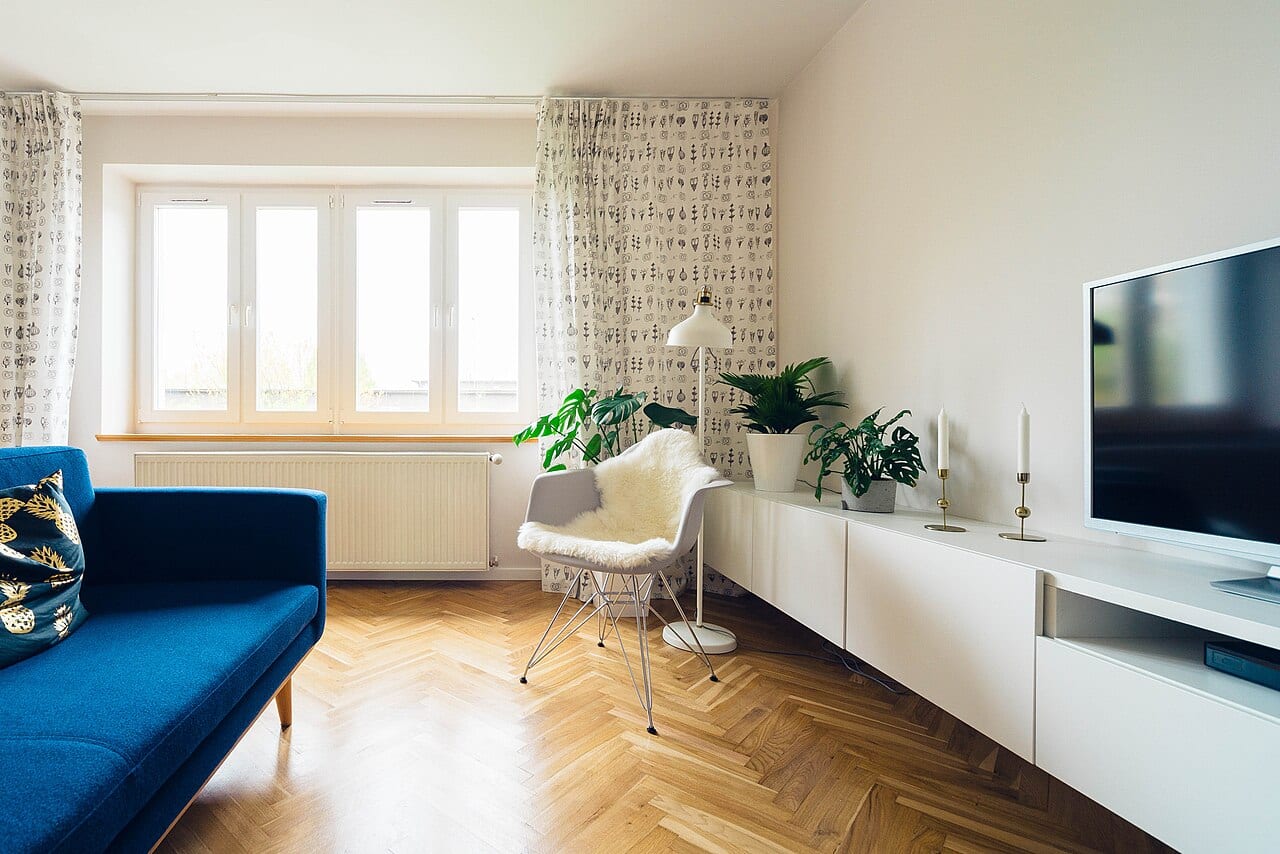
A single chair in a sunlit corner might look like a sanctuary in a showroom, but its true value is determined by the rhythms of your actual household. Choosing a space for reading, working, or quiet contemplation is a decision shaped by the friction between your personal needs and the movements of others.
Observing the Daily Flow
Before committing to a new layout or a piece of furniture, spend a few days watching how your home operates. Note when the light shifts across the floor and when the house reaches its peak volume. A corner that feels peaceful at ten in the morning may become a transit corridor by six in the evening. Pay attention to the interruptions that break your concentration or your rest. Is it the sound of the dishwasher, the heavy footfalls in the hallway, or the sudden brightness of a streetlamp through an unshaded window?
The Friction of Differing Needs
The challenge often intensifies when two people share a space but hold different priorities for their quiet time. For example, if one person requires a silent environment for deep reading while the other prefers a nook for casual scrolling or listening to podcasts, a single shared corner may become a source of tension rather than a retreat. One person might value the stillness of a dim corner, while the other seeks the energy of a bright, open area near the kitchen.
Consider the tradeoff between permanence and flexibility. A heavy, built-in reading nook offers a sense of stability and defined boundaries, but it cannot adapt if your routine changes. Conversely, a movable setup—a lightweight armchair, a small side table, and a portable lamp—allows you to test different locations throughout the week. You might find that the corner of the dining room works better on Tuesday afternoons, while a spot near the window is superior on Sunday mornings.
Testing Your Environment
Once you have identified a potential spot, treat it as a trial. Move your setup to different areas of the house to see how the atmosphere changes. Does a specific chair feel too exposed to the kitchen's activity? Does a certain lamp provide enough light without casting distracting shadows on the walls? By testing these variables, you move beyond aesthetic preference and toward a functional arrangement that respects your daily patterns.
If you find that a specific area is consistently interrupted by environmental factors you cannot easily change, ask a professional about options for managing light or sound in that specific zone. When evaluating a new piece of furniture for this purpose, ask the retailer how the materials might interact with your existing floor or how the weight of the piece affects its stability on your specific surfaces. The goal is to select a space that supports your intent, whether that intent is profound focus or simple repose.

