There is a particular kind of quiet pressure that comes with inheriting a loved one’s unfinished intentions. Perhaps it was a notebook filled with circled museum dates, a stack of exhibition catalogs left on a mahogany side table, or a digital folder of saved links. For many in Dallas, these collections represent more than just a hobby; they are a roadmap of a life once lived with curiosity. When you find yourself holding this legacy, the impulse is to honor it by checking every box, racing through every gallery to fulfill a promise made by someone else.
However, treating a cultural season like a checklist can turn an act of remembrance into a chore. The desire to see everything often results in seeing very little, as the mind remains preoccupied with the next venue rather than the canvas currently in front of you. To truly honor the spirit of such a collection, one must learn to curate rather than simply consume.
The Weight of the Unfinished List
The tradeoff in any cultural outing is time. Every hour spent rushing from one gallery to another is an hour stolen from the possibility of genuine contemplation. You might find yourself standing in a crowded hall, glancing at a sculpture, and already thinking about the parking situation or the next stop on the list. This approach prioritizes volume over connection, turning a moment of beauty into a logistical exercise. When you are working through a list that was not originally yours, the temptation to perform is high, but the reward for speed is minimal.
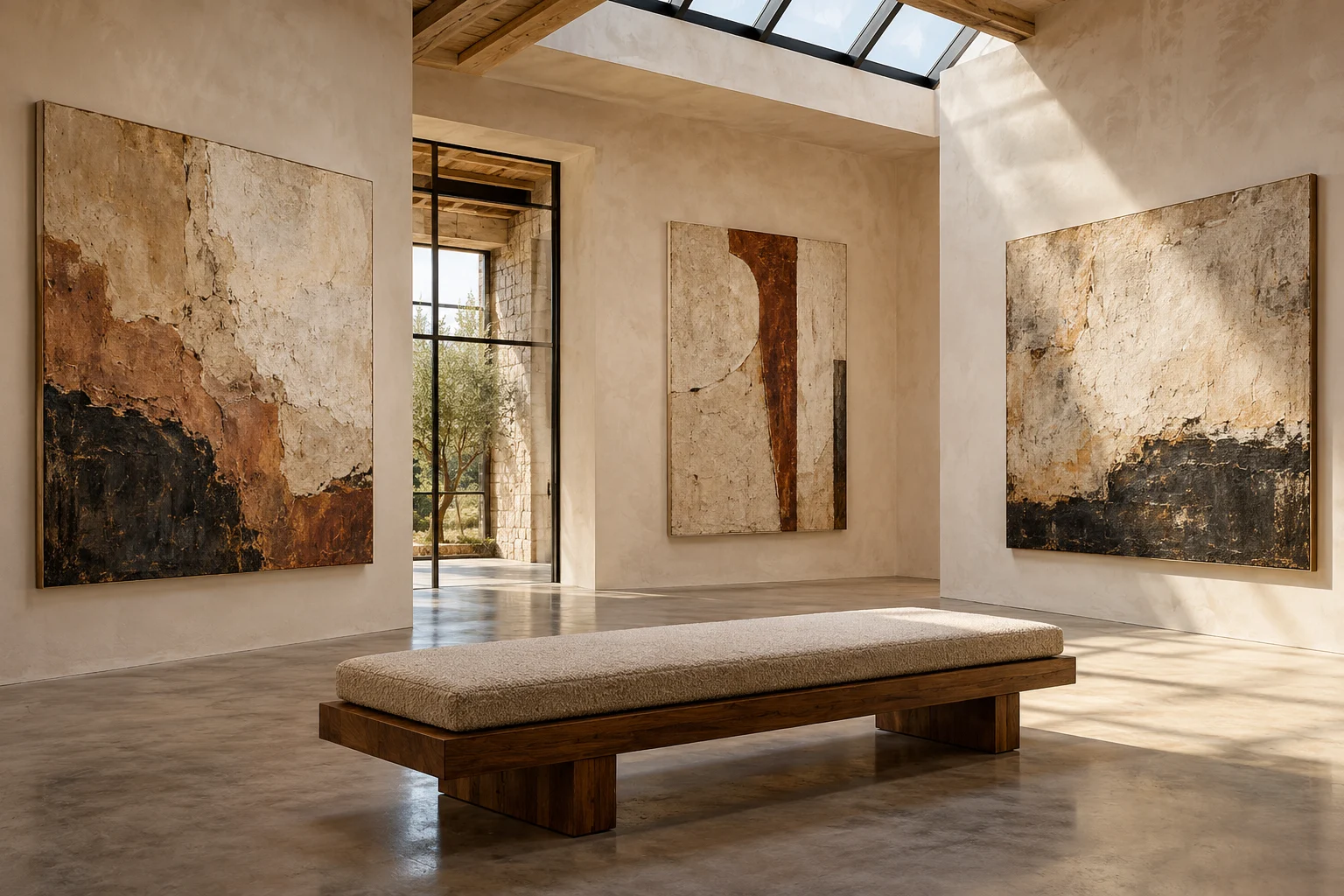
For example, if you have a weekend to dedicate to the arts, you could choose to visit three different venues to see a variety of styles, or you could select a single, significant exhibition and commit to sitting with it. The former offers a broad survey, but the latter offers the chance to notice how light hits a specific texture or how a single color choice shifts the mood of a room. One satisfies a sense of productivity; the other satisfies a sense of presence. The choice determines whether you leave the museum with a sense of accomplishment or a sense of inspiration.
Choosing Depth Over Breadth
When deciding which single exhibition to prioritize, consider your own current rhythms. Are you seeking a quiet space to process thoughts, or are you looking for something visually stimulating to spark conversation? Rather than attempting to replicate a predecessor's ambitious itinerary, ask yourself what kind of engagement you actually require today. Is this a moment for movement or for stillness?
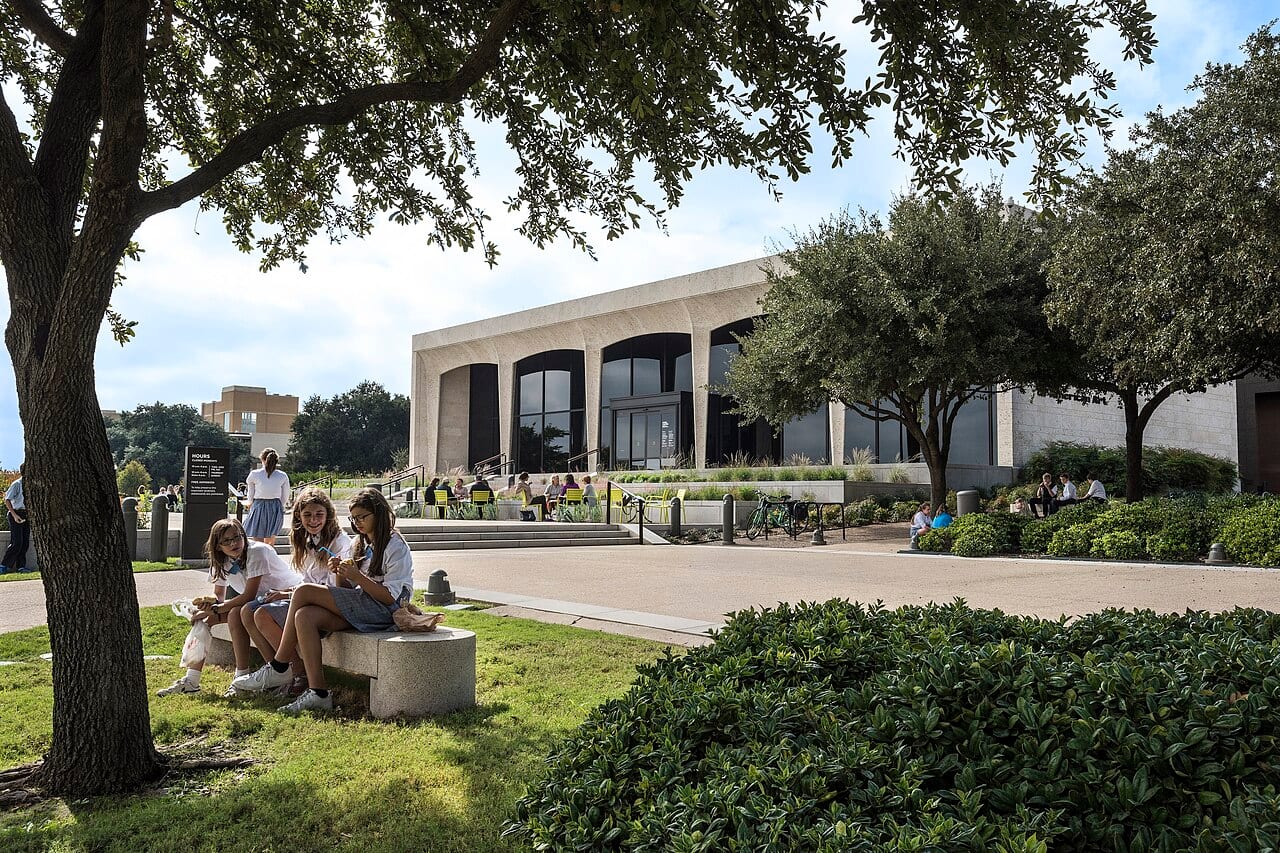
Once you have selected a show, resist the urge to rush the exit. A meaningful viewing often happens in the margins—the moments spent staring at a single detail after the crowds have moved on, or the quiet walk through the museum courtyard afterward. These pauses are where the art actually settles into your memory. If you find yourself feeling rushed, ask yourself if the goal is to see the art or to see the list.
Refining Your Personal Approach
If you are navigating a collection of inherited plans, you do not owe the list a complete execution. You owe yourself a meaningful experience. Instead of viewing the unfinished plan as a debt to be paid, view it as a menu of possibilities. Pick one item that resonates with your current mood, allow yourself the luxury of time, and let the rest of the list remain exactly as it is: a collection of potential moments waiting for a different time. By selecting one exhibition rather than an entire checklist, you transform a task of obligation into a deliberate act of personal style.