A heavy ceramic bowl, a hand-dyed textile, or a custom-scented candle can serve as a lasting reminder of a quiet afternoon spent creating. However, the transition from browsing a workshop advertisement to sitting down at a communal table involves more than just checking a calendar. For those looking to share a new experience, the logistics of the environment and the nature of the activity dictate whether the session feels like a cohesive outing or a series of individual tasks.
Balancing Individual Interests
Choosing a workshop often involves navigating the different priorities of a companion. For example, if you are planning a Saturday outing with a partner, you might be looking for a meditative, slow-paced experience to unwind, while they may be seeking a high-energy environment where they can walk away with a complex, finished product. This creates a meaningful tradeoff between relaxation and achievement.
To find a middle ground, consider what each person values most in a shared activity. Is the goal the tactile sensation of the materials, or is it the social interaction? Understanding these inclinations helps in selecting a class that satisfies both the desire for peace and the drive for productivity. Ask the organizer how the session is structured to accommodate different skill levels and whether the pace is designed for social conversation or focused, solitary work.
The Reality of the Materials
The quality and type of supplies used can fundamentally alter the experience. A workshop that provides everything necessary is a different commitment than one that requires you to bring your own tools or select specific components beforehand. Beyond the mere availability of supplies, the physical nature of the medium matters.
Ask the instructor which specific materials are provided and if there are any limitations on what can be made during the allotted time. If the craft involves substances that might stain clothing or require specific cleanup, inquire about the recommended attire. Knowing whether you will be working with fine powders, wet clays, or delicate fabrics allows you to prepare your wardrobe and your expectations for the day.
Space and Participation
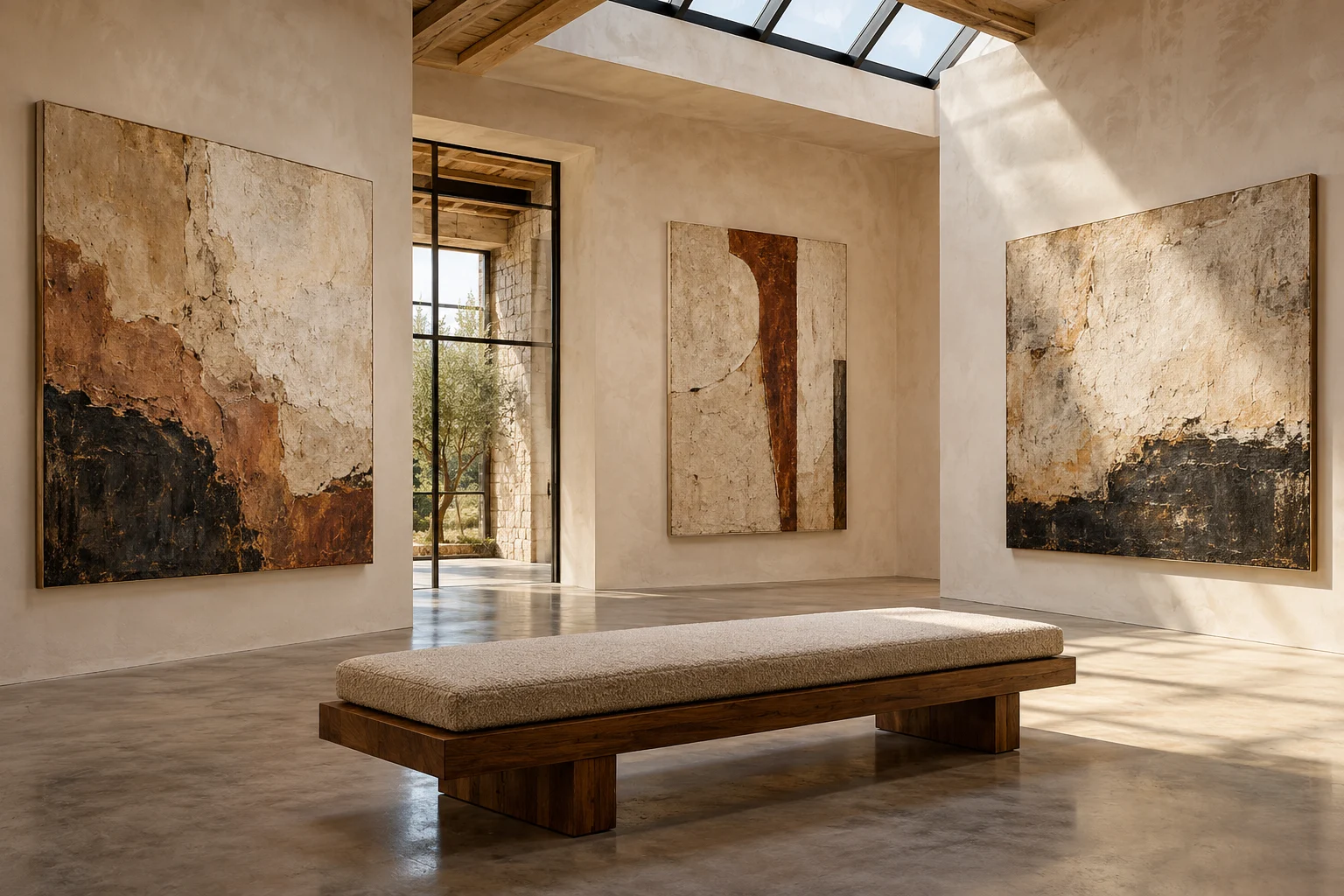
The physical setting of a workshop influences the atmosphere as much as the instruction itself. A crowded studio with limited bench space offers a different energy than a spacious, airy loft. Furthermore, the level of guidance provided can vary significantly between a lecture-style demonstration and a hands-on coaching session.
Before committing, ask about the studio layout and the number of participants expected in a single session. You might also ask how much direct assistance the instructor provides to each person. If you are attending with someone else, confirm if the seating arrangement allows for shared interaction or if the setup encourages individual focus. By addressing these details early, you can ensure the workshop aligns with the specific rhythm of your day.