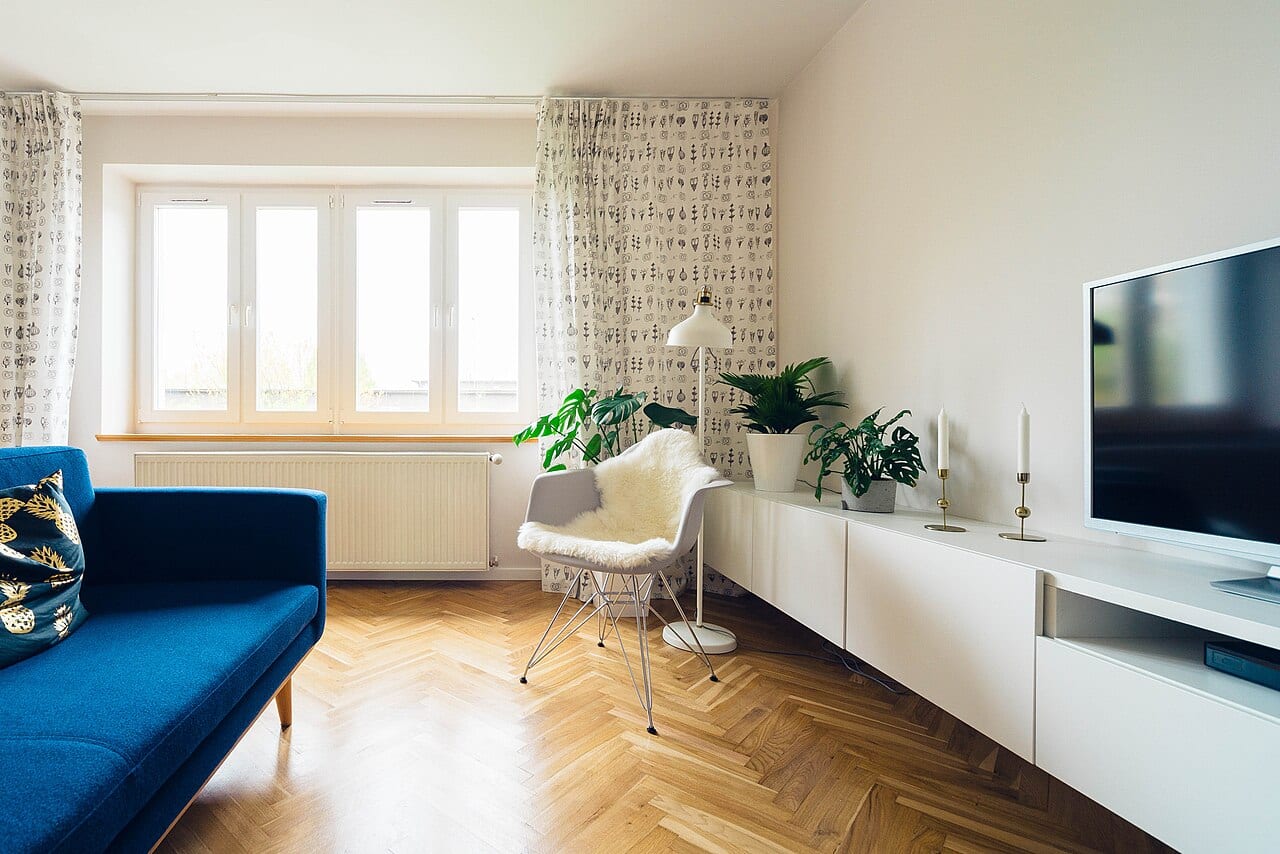
A new rug can anchor a room, but the physical reality of a large textile often differs from the vision held while scrolling through a catalog. When you are deciding between different dimensions or placements, the most effective tool might not be a designer's eye, but a roll of painter's tape and several sheets of butcher paper.
The Conflict of Dimensions
Deciding on a rug size becomes complicated when you receive conflicting descriptions of how a piece will fit your space. For example, if you are looking at a specific rectangular rug, you might find one source suggesting it will sit entirely under a sofa and two accent chairs, while another description implies it is better suited to sit only halfway beneath the front legs of those same pieces. These descriptions do not agree on the visual weight or the physical footprint of the item in your specific living area.
This discrepancy creates a dilemma. Do you choose the larger option to ensure all furniture legs rest on the surface, potentially making the room feel crowded? Or do you opt for the smaller version to create more exposed floor space, risking a look that feels disconnected or unfinished? Without a physical guide, you are left guessing how these proportions will shift the energy of the room.
Testing the Flow
To resolve the disagreement between descriptions, you can create a life-sized map of the rug on your floor. Use paper to mimic the dimensions mentioned in the conflicting descriptions. Lay the paper down and place your actual furniture on top of it. This allows you to see exactly where the legs of your chairs, coffee table, or sofa will land in relation to the edges of the textile.
Beyond the furniture, consider the movement through the room. A rug that looks beautiful in a static photo might become a trip hazard or a nuisance if it sits directly in a high-traffic walking route. For example, if you find that your path from the hallway to the kitchen cuts sharply across the corner of your paper outline, you may want to reconsider the size or the orientation of the rug to ensure the transition feels natural.
Evaluating the Tradeoff
The tradeoff often lies between the feeling of enclosure and the feeling of openness. A rug that extends well beyond the seating area creates a defined, cozy island, but it can also make a smaller Dallas living room feel constricted. Conversely, a smaller rug can make a room feel more expansive, but it may fail to unify the furniture grouping.
Once you have mapped the space, ask yourself how the paper boundaries affect your daily routines. Does the layout feel intuitive? If the dimensions still feel uncertain, ask the retailer how the specific weave or pile height might affect the way furniture sits on the edges. By testing the footprint before the delivery arrives, you can move forward knowing exactly how the piece will inhabit your home.

