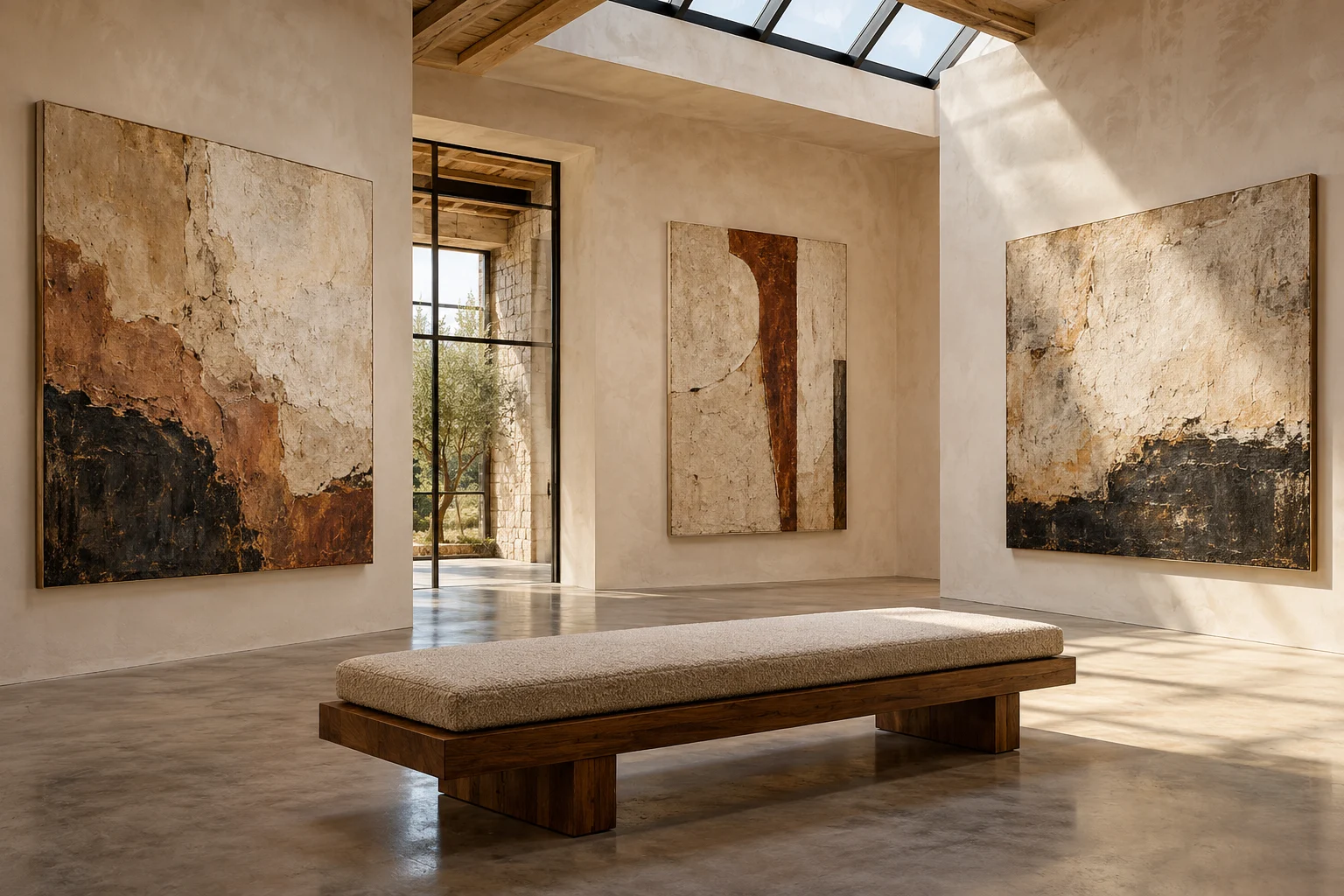
A heavy, textured canvas hangs in a quiet corner of a local gallery, its surface a chaotic landscape of deep ochre and bruised violets. To one viewer, the brushstrokes feel restless, perhaps even anxious, as if the artist struggled to contain the color. To another, the same application of paint suggests a sudden, joyful movement, like wind catching a heavy curtain. These immediate, physical reactions are the first layer of any encounter with a piece of work.
The Shift in Perspective
Engaging with art often changes when our personal routines undergo a transition. For many, a shift in lifestyle—perhaps moving from a high-paced professional role to a more contemplative schedule, or simply finding more quiet hours in a new home—alters how we process visual information. When the frantic pace of a morning commute is replaced by a slow walk through a neighborhood studio, the goal of looking at art often shifts from a social activity to a private one.
For example, if you find yourself with an extra hour on Tuesday afternoons that used to be spent in meetings, you might approach a sculpture differently. Instead of glancing at it while waiting for a friend, you might sit with it, noticing how the light from a high window catches a sharp edge or softens a curve. This change in routine doesn't change the art itself, but it changes the depth of your observation.
Observation Versus Intention
There is a common tension between what we see and what the creator says they meant. A gallery plaque might describe a series of blue shapes as a meditation on oceanic depths, but if those shapes look to you like a summer sky or a piece of worn denim, that observation remains valid. The creator’s stated explanation provides a map, but it is not the only territory.
The tradeoff lies in the balance between intellectual study and sensory experience. Relying solely on the artist's biography can sometimes flatten the work, turning a vibrant visual experience into a history lesson. Conversely, ignoring the context entirely might mean missing a subtle layer of meaning that enriches the view. The most interesting conversations often happen in the space between the two: noticing how a specific shade of red makes you feel, and then wondering why the artist chose that particular intensity.
The Next Viewing
When you find yourself standing before a piece that feels difficult or unapproachable, resist the urge to search for a "correct" interpretation. Instead, focus on the concrete details. How does the scale of the work affect your sense of space? Does the texture invite you to reach out, or does it feel intentionally distant? If you are attending a guided tour or speaking with a curator, you might ask how the materials used relate to the themes they are discussing. By prioritizing your own sensory responses, you turn art from a test of knowledge into a personal dialogue.