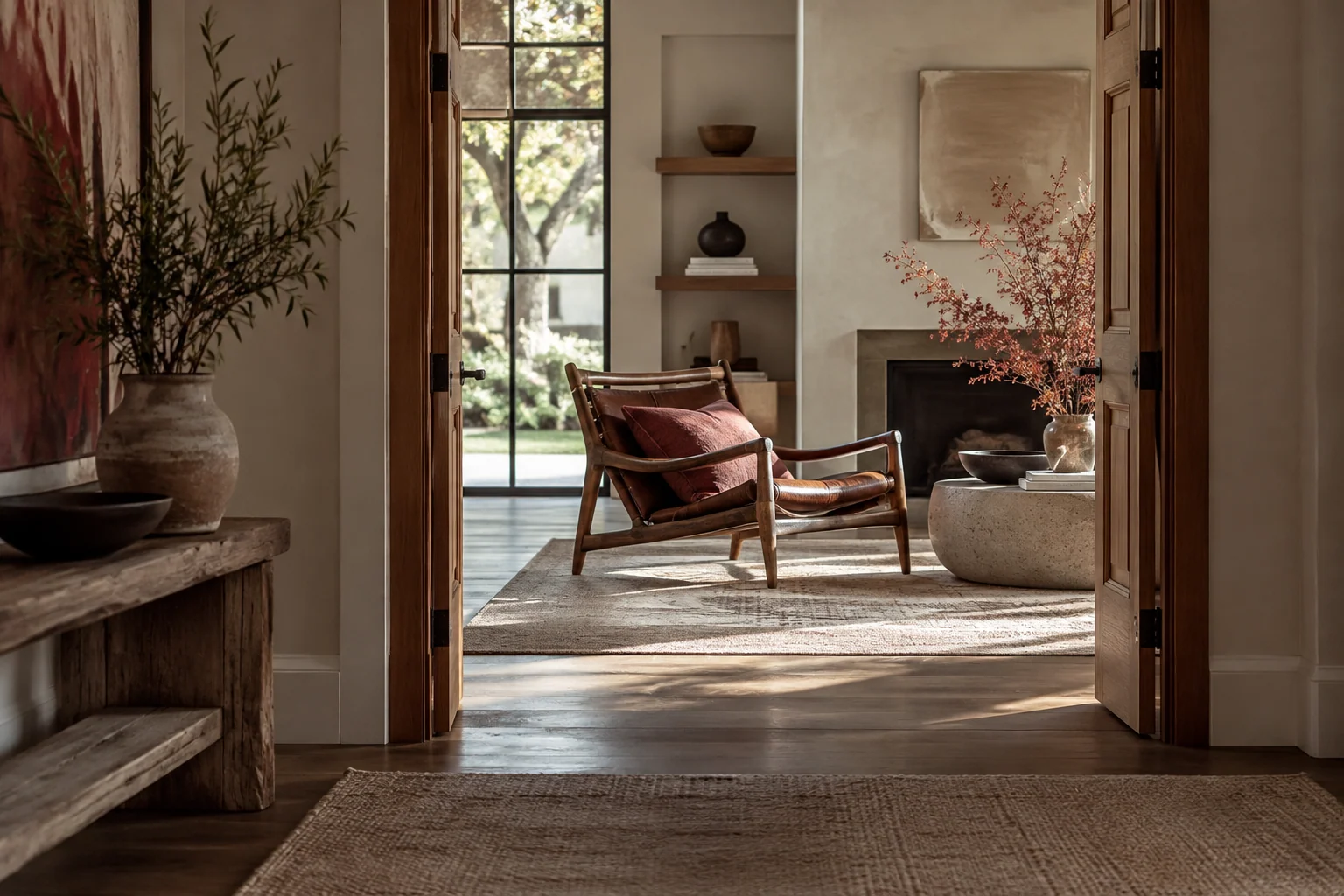
A single chair can anchor a room, yet its arrival often hinges on more than just aesthetic appeal. For those navigating a home where a previous occupant left behind an unfinished vision—perhaps a corner designated for reading that never saw a lamp, or a dining nook waiting for a centerpiece—the decision to add a secondhand piece carries a specific weight. You are not just buying furniture; you are attempting to complete a puzzle that someone else started.
The Gap Between Listing and Living
When browsing online marketplaces or local estate sales, the dimensions provided by a seller are the first point of contact. However, a measurement on a screen rarely accounts for the way a piece occupies a three-dimensional life. A chair might fit the footprint of a designated space, but its presence changes the flow of the room. Consider how the height of the seat relates to the height of the existing side table, or how the width of the armrests affects your ability to move past it in a narrow hallway.
The tradeoff involves balancing the charm of a unique, pre-loved item against the practicalities of your current floor plan. A vintage velvet armchair may possess the exact character your inherited layout requires, but its scale might inadvertently block a walkway or crowd a window. You must weigh the visual satisfaction of the piece against the daily ease of movement within the space.
Navigating the Threshold
The most significant hurdle often occurs before the chair even reaches its intended corner. The path from the curb to the living room is a gauntlet of narrow doorframes, tight stairwell turns, and low-hanging light fixtures. A piece that looks perfect in a wide-open showroom may become an immovable object once it encounters the reality of a Dallas bungalow or a modern apartment corridor.
For example, if you find a heavy, high-backed wing chair that fits the dimensions of your reading nook perfectly, the success of the purchase depends entirely on whether that chair can clear the turn from your entryway into the main hall. A piece that fits the room but cannot pass through the door is merely a beautiful obstacle.
Verifying the Fit
Before committing to a pickup, move beyond the basic length and width. Ask the seller for the exact height of the highest point and the depth from the front edge to the back. If you are unsure about the logistics of the move, ask a professional mover how they handle navigating tight turns or narrow staircases with oversized items. You might also ask a designer how the specific scale of the piece interacts with the existing furniture you have inherited. By reconciling the seller's numbers with the physical constraints of your doorways and the intended use of the room, you turn an unfinished plan into a functional reality.

