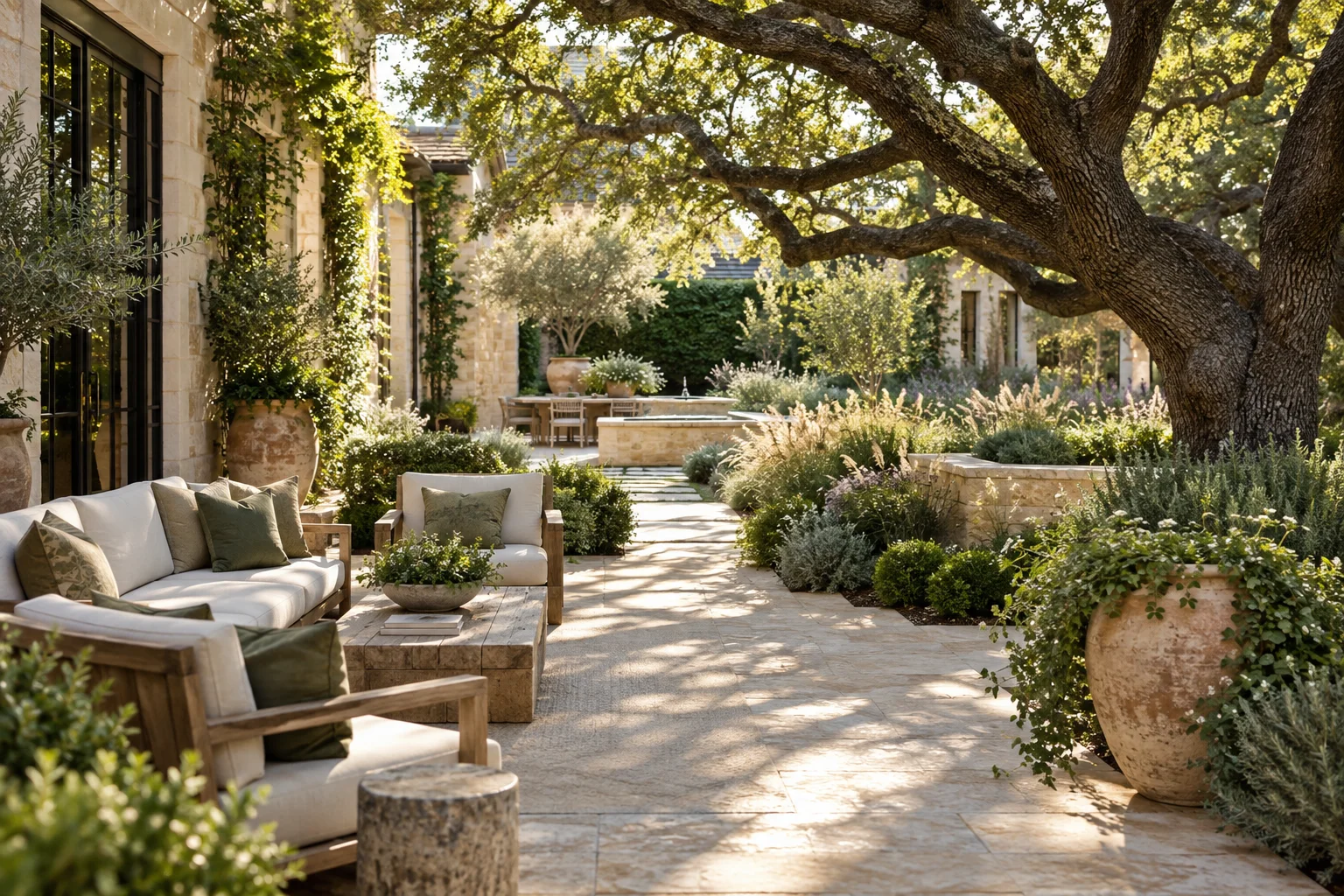
The shared weekend trip often begins with a single, ambitious group chat. A collective vision emerges: a morning hike, a long lunch, and a late afternoon excursion. But as the departure date nears, the friction of differing energy levels and specific interests begins to surface. The challenge is not just deciding what to do, but deciding how to let people opt out without fracturing the group's spirit.
The Shared Anchor
A successful group itinerary relies on the concept of the anchor—a central event that provides a sense of togetherness without demanding constant proximity. This might be a specific meal or a single afternoon activity where everyone gathers. The goal is to create a foundation of shared memory while acknowledging that a group of six people rarely functions as a single unit for twelve consecutive hours.
When planning, consider the tradeoff between density and breathing room. A schedule packed with back-to-back activities ensures no one is left behind, but it can leave members feeling tethered to a pace they cannot sustain. Conversely, an entirely open schedule offers freedom but risks a sense of fragmentation where no one feels truly connected to the collective purpose of the trip.
Managing the Handoff
The most delicate part of a group outing is the communication handoff. This occurs when the group splits to pursue different interests. For example, if a group is visiting a large outdoor area, half may wish to follow a strenuous trail while the other half prefers a shaded stroll near the entrance. The transition must be handled with clarity so that those departing do not feel like they are abandoning the group, and those staying do not feel they are being left behind.
For instance, imagine a group of friends planning a Saturday in a large park. The primary plan is a communal picnic at noon. However, some members want to spend the morning exploring a specific botanical section, while others prefer to sleep in. Without a clear handoff, the "sleepers" might feel guilty for missing the morning, or the "explorers" might feel rushed to return for the picnic. A clear statement of the anchor time—the moment everyone reconvenes—allows individuals to manage their own stamina and interests independently.
Refining the Quote
If your group outing involves a professional service, such as a private guide or a catered event, the complexity of these split interests requires specific inquiries. Before requesting a formal quote, you must determine how the service provider handles varying group needs. Ask the provider how they accommodate split itineraries and what the cost implications are for members who choose to opt out of certain segments. Inquire whether their pricing is based on a flat group rate or if it can be adjusted for individual participation levels. Understanding these logistics early ensures that the financial and social expectations of the group remain aligned with the reality of the day.