A designer’s sketchbook often begins with a client’s aesthetic tastes—a preference for certain textures, a love for mid-century lines, or a desire for a specific color palette. However, the most impactful transformations often stem from a shift in how a room is actually inhabited. When the way you move through your home changes, the friction between your habits and your surroundings becomes visible.
The distinction between taste and utility
It is easy to confuse a personal preference with a functional requirement. You might feel a sudden dissatisfaction with a living area because the lighting feels "wrong," but the issue may not be the shade of the lamp or the style of the sconce. Instead, the dissatisfaction might arise because your daily rhythm has shifted from quiet evening reading to hosting lively morning coffee gatherings. In this case, the problem is not a lack of style, but a mismatch between the furniture arrangement and your new social cadence.
When communicating with a professional, distinguish between what you like and what you do. If you tell a designer you want "more warmth," they may reach for amber tones. If you tell them you need a space that accommodates a new remote work schedule, they will look at power access, surface depth, and acoustic qualities. One is a visual preference; the other is a response to a change in routine.
Navigating the trade-off of versatility
Updating a space to meet a new routine often involves a trade-off between specialization and flexibility. A highly specialized room—such as a dedicated, formal dining area—offers a specific atmosphere but can feel wasted if your daily meals have moved to a casual kitchen island. Conversely, a multi-purpose room offers utility but can sometimes lack a sense of distinct purpose.
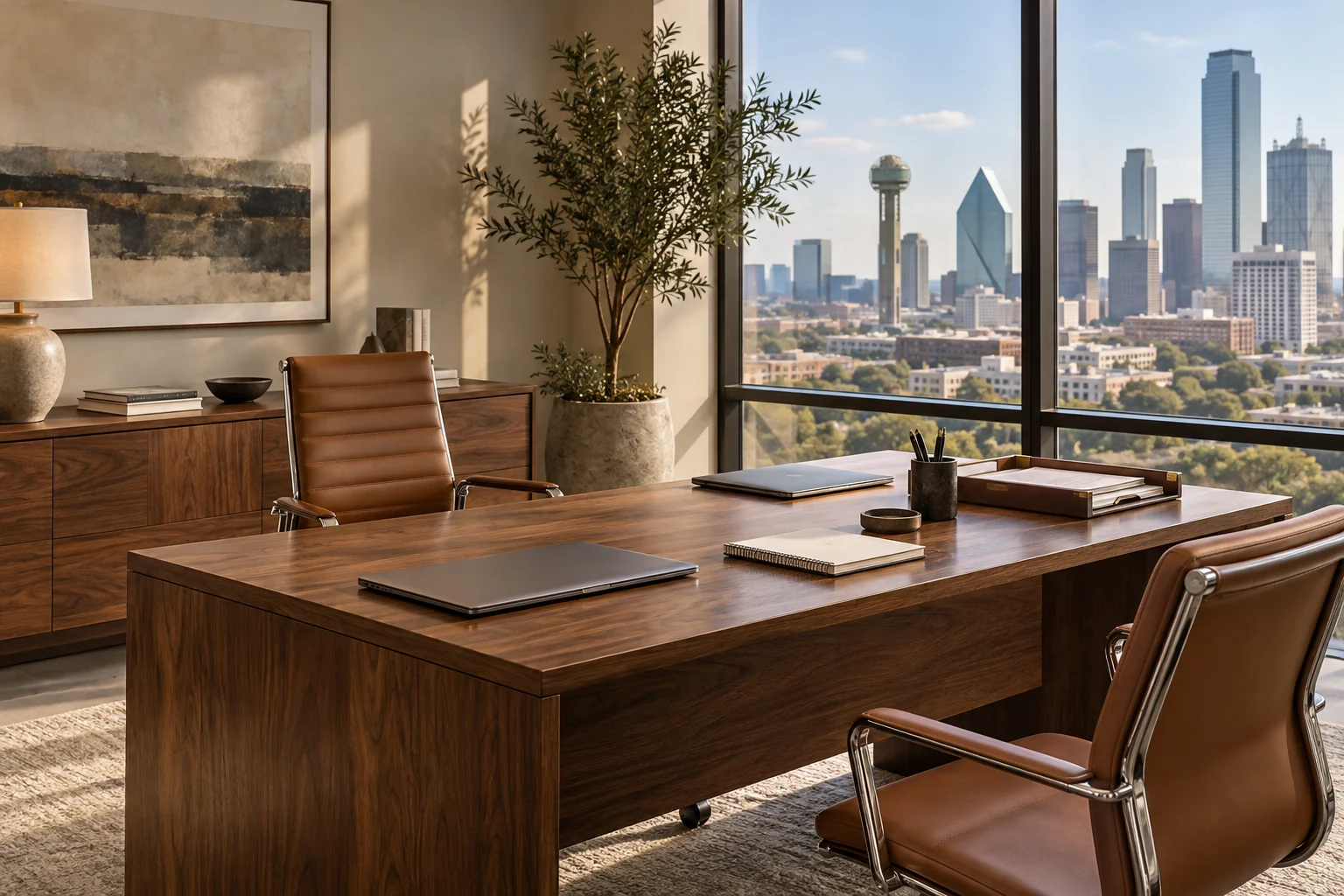
For example, if you find yourself spending more time in a guest bedroom because you have transitioned to a hybrid work model, you face a choice. You could lean into a dedicated office setup with heavy shelving and a large desk, or you could opt for modular furniture that allows the room to revert to a guest space when needed. The former prioritizes deep focus; the latter prioritizes the home's long-term adaptability.
Preparing for the consultation
Before inviting a professional into your home, observe your own movements for a few days. Note where you feel cramped, where you find yourself searching for a surface to set a drink, or where the light fails you during your most active hours. Instead of presenting a mood board of finished rooms, present a map of your day.
Ask the designer how their proposed layout addresses the specific transitions in your schedule. Inquire how the suggested pieces will function during different times of the day, and ask which elements are intended to satisfy your visual tastes versus which are meant to solve the logistical hurdles you have identified. By focusing on the routine rather than the look, you ensure the design serves your life rather than just your eyes.


