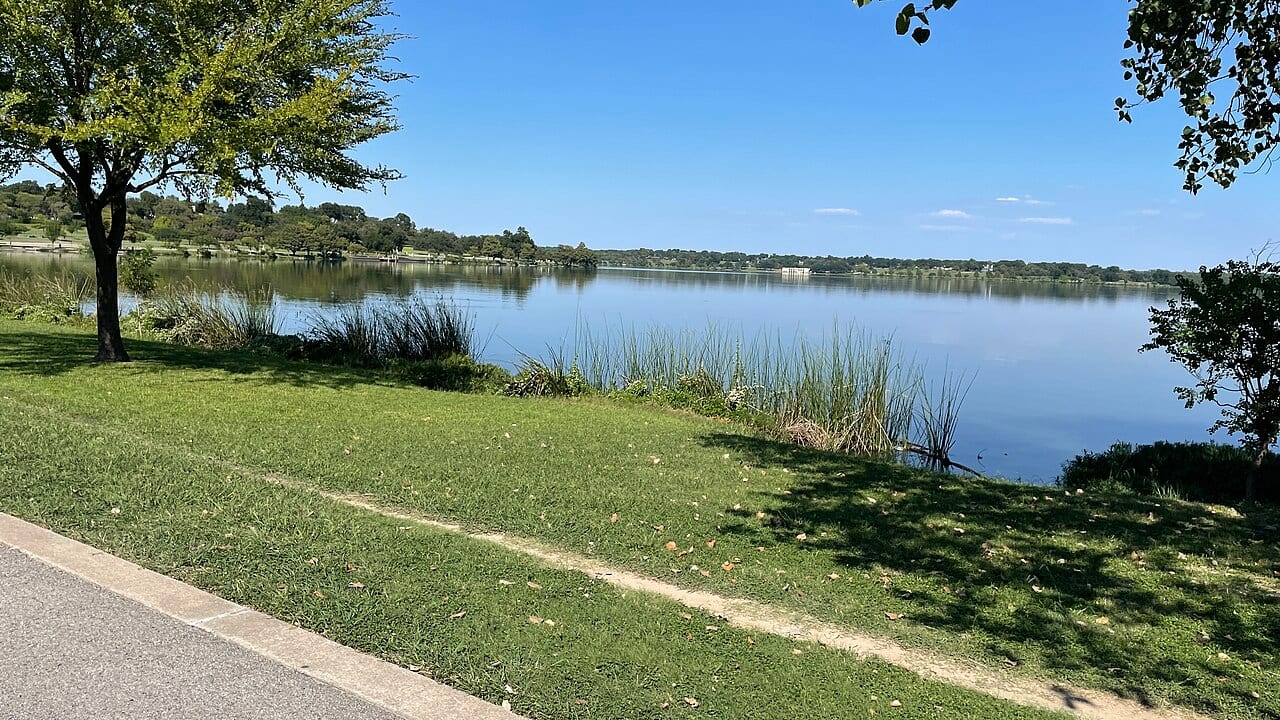
A weekend often begins with a shared desire for connection, yet it frequently ends in a quiet tension over how that connection should manifest. We approach our days of rest with varying internal clocks and different ideas of what constitutes a successful outing. One person might crave the vibrant, sensory hum of a crowded market or a new restaurant, while the other seeks the stillness of a shaded trail or the quiet comfort of a slow morning at home.
The Single Shared Priority
The friction of a mismatched schedule often stems from trying to satisfy every individual whim simultaneously. Instead of a list of ten competing activities, consider selecting one central anchor for the day—a single priority that both parties value. This might be a specific meal, a visit to a particular neighborhood, or simply the act of being outdoors together. By centering the day on one meaningful objective, you create a foundation of togetherness without the pressure of constant motion.
For example, if one person wants to explore a new boutique district and the other wants to read in a park, the shared priority could be a long lunch in that specific area. The lunch becomes the commitment, providing a shared experience that satisfies the need for social engagement and a change of scenery.
The Tradeoff of Access and Energy
Once the anchor is set, the real decision lies in how you navigate the hours surrounding it. This involves a tradeoff between high-energy exploration and low-energy accessibility. High-energy plans offer novelty and movement but require significant mental and physical output. Low-energy plans offer ease and comfort but can sometimes feel stagnant if they lack a sense of purpose.
Consider the logistics of your chosen destination. Does the location require navigating heavy traffic or finding parking, which might drain your energy before the activity even begins? Does the environment allow for a quick pivot if someone feels overwhelmed? Acknowledging these preferences early allows you to weigh the excitement of a destination against the effort required to reach it.
Maintaining the Optional Path
The most resilient weekend plans are those that treat secondary activities as optional rather than mandatory. When every hour is accounted for, a single delay or a sudden change in mood can derail the entire experience, leading to frustration. Instead of scheduling a specific museum visit for 2:00 PM, simply note that the museum is a possibility if the energy remains high after lunch.
If you find that your preferred way of spending time differs significantly from your partner's, ask how you might structure the day to allow for independent pockets of rest. You might decide that after the shared lunch, one person spends an hour browsing shops while the other finds a quiet bench. This approach respects individual needs while keeping the door open for a spontaneous reunion. A successful weekend is not measured by the number of items crossed off a list, but by the ability to shift gears without losing the sense of companionship.


