This is a paid partner contribution. Commercial relationships are disclosed so readers can distinguish sponsored content from editorial guides.
A blank storefront or an empty event space offers endless possibilities, but it can also feel overwhelming when you begin to consider how to fill that space. Deciding how to introduce your brand or a specific message to passersby involves balancing visibility with the physical constraints of your location. Moving from a conceptual idea to a physical product requires a structured approach to your initial conversations with a provider.
Defining the Physical Environment
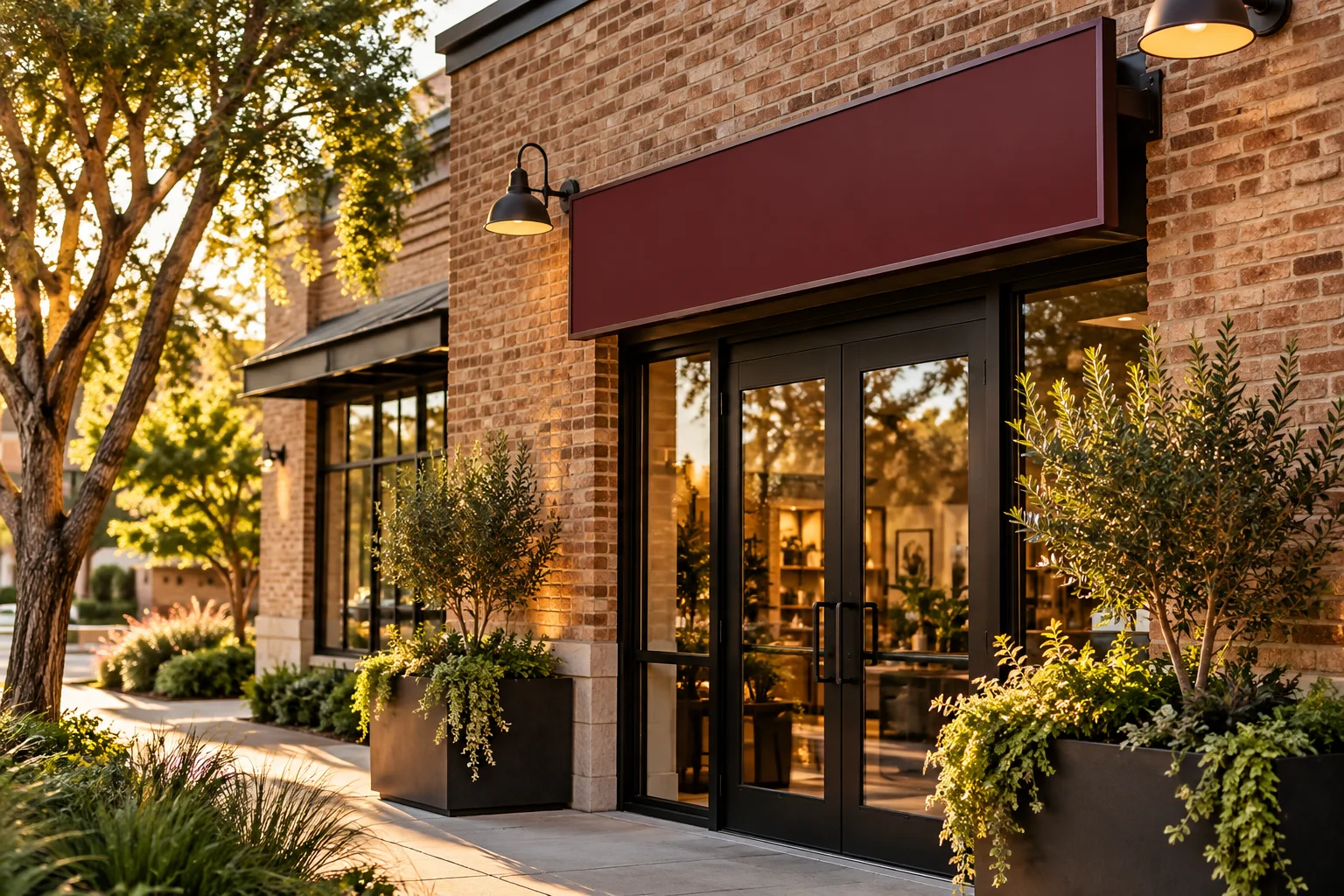
Before discussing colors or fonts, look closely at the environment where your signage will live. The lighting, the walking patterns of pedestrians, and the distance from the street all dictate what might work. A sign that looks striking in a small office might vanish when placed near a busy intersection. Consider the surfaces available to you—are you looking at brick walls, glass windows, or sidewalk pavement?
For example, if you are planning an outdoor promotion, you might weigh the benefits of different formats. You could choose A-frame signs to catch the attention of pedestrians on the sidewalk, or you might opt for larger banners dallas to reach drivers from a distance. Each choice presents a different way to interact with your audience, and the effectiveness of each depends entirely on your specific site layout.
Gathering Your Project Details
A productive first conversation relies on the information you bring to the table. Instead of starting with broad questions, try to arrive with a set of concrete observations. Note the approximate dimensions of the area you want to cover and identify any obstacles, such as trees, light poles, or existing fixtures, that might obstruct a view. If you have existing brand colors or specific logos, have those files ready for review.
Think about the duration of your need. Is this a permanent installation for a new storefront, or a temporary display for a weekend event? The intended lifespan of the sign will change the conversation regarding materials and installation methods. Having these details organized allows you to move past the introductory phase and into the specifics of your project much faster.
Asking the Right Questions
Once you have described your space and your goals, use the professional's expertise to refine your plan. Rather than asking what they recommend, ask how their suggestions address the specific dimensions and environmental factors you identified. You might ask how different materials might respond to the local weather or how the installation process works for your specific surface.
Ask about the timeline from the initial design phase to the moment the sign is placed. It is also helpful to ask what information they need from you to ensure the final product matches your vision. By focusing your questions on the intersection of your physical space and your project goals, you can move toward a decision with clarity and confidence.